 Posted by
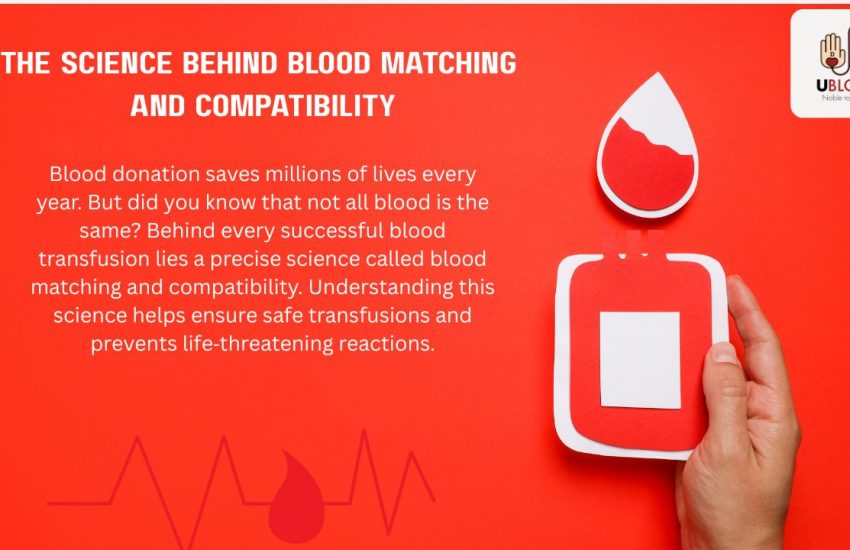
 Blood donation saves millions of lives every year. But did you know that not all blood is the same? Behind every successful blood transfusion lies a precise science called blood matching and compatibility. Understanding this science helps ensure safe transfusions and prevents life‑threatening reactions.
At uBlood, we strive to connect the right donors with the right recipients, because in blood donation, accuracy matters as much as availability.
What Is Blood Matching?
Blood matching is the process of ensuring that a donor’s blood is compatible with a recipient’s blood before a transfusion. If incompatible blood is transfused, the recipient’s immune system may attack the donor blood, leading to severe complications.
To prevent this, blood banks and hospitals follow strict testing and matching protocols.
The ABO Blood Group System
The most common blood classification system is the ABO system, which divides blood into four main types:
- Blood Group A – Has A antigens on red blood cells and anti‑B antibodies in plasma
- Blood Group B – Has B antigens and anti‑A antibodies
- Blood Group AB – Has both A and B antigens and no anti‑A or anti‑B antibodies
- Blood Group O – Has no A or B antigens but has both anti‑A and anti‑B antibodies
Why ABO Matching Matters
If a person receives blood with antigens their body sees as foreign, their immune system will attack it. This reaction can cause fever, kidney failure, shock, or even death. Proper ABO matching eliminates this risk.
The Rh Factor (Positive & Negative)
Beyond ABO, another critical factor is the Rh system, most commonly the D antigen.
- Rh‑positive (Rh⁺): D antigen is present
- Rh‑negative (Rh⁻): D antigen is absent
A Rh‑negative person should only receive Rh‑negative blood. If they receive Rh‑positive blood, their body may develop antibodies that can cause complications in future transfusions or pregnancies.
Universal Donors and Universal Recipients
- O‑negative is known as the universal donor, as it can be given to almost all blood types in emergencies.
- AB‑positive is known as the universal recipient, as it can receive blood from all blood groups.
However, even universal donations are used carefully, and full compatibility testing is always preferred.
Cross‑Matching: The Final Safety Check
Before a transfusion, laboratories perform a cross‑match test, where donor blood is mixed with the recipient’s blood to check for any reaction. This final step ensures maximum safety.
Cross‑matching helps:
- Prevent transfusion reactions
- Confirm compatibility beyond blood group labels
- Ensure patient safety in critical situations
Why Blood Compatibility Is Critical
Incorrect blood transfusions can lead to:
- Acute hemolytic reactions
- Organ failure
- Severe allergic reactions
- Fatal outcomes
That’s why blood compatibility testing is non‑negotiable in modern medicine.
How uBlood Helps Save Lives
At uBlood, we bridge the gap between blood donors and patients in need by:
- Maintaining accurate donor blood group data
- Enabling quick access to compatible donors
- Supporting hospitals and emergency requests
- Promoting awareness about blood donation safety
Every matched donation through uBlood increases the chances of a safe and successful transfusion.
Call to Action (CTA)
Your blood type can save a life today.
Register as a Blood Donor on uBlood and help patients receive the right blood at the right time.
Looking for blood? Find verified donors instantly on www.ublood.com.
Together, we can make safe blood accessible for everyone.
Frequently Asked Questions (FAQs)
Q: Can I donate blood to anyone?
A: No. Blood donation depends on ABO and Rh compatibility. Testing ensures safe matches.
Q: How often can I donate blood?
A: Healthy adults can donate whole blood every 3 months.
Q: Is blood matching done every time?
A: Yes. Compatibility testing is mandatory before every transfusion.
Final Thought
Blood matching is a perfect blend of science, safety, and humanity. When donors and recipients are matched correctly, lives are saved without risk. By donating blood through uBlood, you become a vital part of this life‑saving science.